
Posted on 2026-10-07
What to do when you find a water leak in Telford
Finding water where it should not be is one of the most unsettling household discoveries. Whether you notice a spreading damp patch on a ceiling, water pooling on a kitchen floor, or a visible drip from a pipe joint, responding promptly and calmly can limit the damage and help a plumber carry out an effective assessment.
The most useful immediate action is to find your internal stopcock and shut off the mains water supply. In most homes this valve is beneath the kitchen sink, inside a cupboard near the front door, or close to the point where the supply pipe enters the property. Turning it clockwise until it stops will cut the flow of water and prevent further leakage. If the stopcock has not been used for some time, it may be stiff; apply steady moderate pressure rather than forcing it. WaterSafe household plumbing guidance notes that knowing the location of your stopcock before an emergency arises is one of the most practical preparations a householder can make.
If the internal stopcock cannot be operated, the external stop tap on or near the property boundary may be an alternative. This tap is usually beneath a small cover in the pavement or footpath and typically requires a long-handled key to operate. Your water supplier can advise on access if the tap is not within your side of the boundary.
Water and electricity together present a serious hazard. Keep clear of any electrical fittings, sockets, switches or appliances that may have been reached by water, and do not attempt to operate them. If you can switch off the electricity to the affected area at the consumer unit without reaching across wet surfaces or flooring, that is a sensible precaution. If water has reached the consumer unit itself, or if you are in any doubt about electrical safety, leave the electrical system alone entirely and contact a qualified electrician as well as a plumber.
Once the water supply is off, take a few moments to note what you can see. Where did the water first appear? Is there a visible source such as a dripping joint, a split pipe, or water coming through a ceiling? Does the leak appear to be connected to a particular tap, appliance or part of the system? Note whether any water has reached timber flooring, plasterboard, ceiling joists or soft furnishings, as materials that absorb moisture can be affected for some time after the visible leak stops. Moving rugs and moveable furnishings away from the wet area is a straightforward protective step to take while waiting for a plumber to attend.
Active leaks, flooding, or any situation where water is flowing faster than you can contain it warrants contacting an Emergency Plumber promptly. You can find further information about emergency plumbing attendance on the Emergency Plumber page. When you make contact, describe the location and appearance of the leak, whether you have turned off the mains supply, and whether the problem appeared suddenly or has been developing over time. This helps a plumber understand what to expect and prepare for the assessment.
Not all leaks are immediately visible. Unexplained damp patches, a water meter that continues to register movement when all taps and appliances are off, or the sound of running water within a wall or floor are all signs worth reporting. A concealed leak can cause gradual damage to plasterwork, timber and insulation, and is worth identifying early rather than leaving it to develop further.
Once a repair has been completed, check the affected area over the following days for any residual moisture or signs of continued seepage. If ceilings, walls or floors have been saturated, drying out fully may take some time. Once the structure is dry, any decorative or structural impact can be assessed properly and addressed as needed.
Signs of a water leak to look for
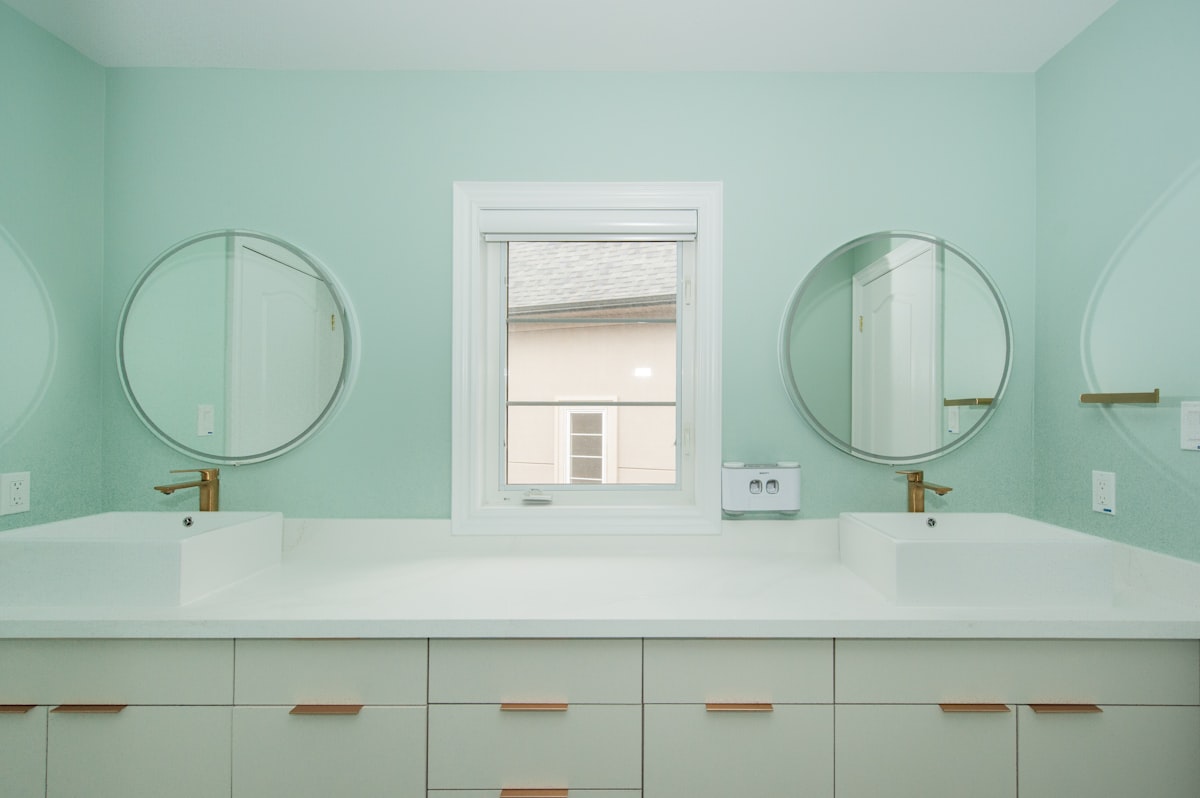
Damp patches without a clear external cause
Moisture appearing on walls, ceilings or floors that cannot be explained by rain, condensation or spills may indicate water escaping from a concealed pipe or fitting. The visible patch can appear some distance from the actual source within the structure, making the cause harder to identify without a plumber's assessment.
Water meter moving with no apparent use
If your water meter continues to register consumption when all taps and appliances are switched off, this can indicate a leak somewhere in the supply system. Check the meter reading at the start and end of a period when no water should be in use to help establish whether this is occurring.
Sound of running water inside walls or ceilings
Hearing water moving inside a wall, floor or ceiling when no tap or appliance is in use suggests water may be flowing or escaping within a concealed space. Note the location of the sound so a plumber can direct their assessment to the most likely area.
Steps to take when you find a water leak
Turn off the water supply
Locate the internal stopcock and turn it clockwise to shut off the mains supply. This limits further flow while you assess the situation and make contact with a plumber. If the stopcock cannot be operated, the external stop tap outside the boundary may be used as an alternative.
Make the area electrically safe
Keep clear of any sockets, switches, fittings or appliances that water may have reached. If you can switch off the relevant circuit at the consumer unit without touching wet surfaces, do so. If you are in any doubt about electrical safety, leave the electrical system alone and contact a qualified electrician.
Observe and document what you can
Note where the water appeared, whether the source is visible, and whether the leak is associated with a particular tap, appliance or part of the system. Move soft furnishings and rugs away from the affected area. These details help a plumber focus their assessment when they attend.
Contact a plumber and describe what you found
Explain the location and appearance of the leak, whether you have turned off the water supply, and whether the problem appeared suddenly or gradually. A plumber can then attend to assess the pipework and fittings and discuss the appropriate repair with you.
Related Services in Telford
Related Guides
Sources
- WaterSafe household plumbing guidance — https://www.watersafe.org.uk/advice/common_plumbing_questions1/leaks/