
Same day or next day service
£No hidden costs
Fully insured
365 day guarantee*
Nationwide
Telford

Pipe Repair in Telford

Pipes in domestic properties can develop faults in a number of ways: corrosion over time, physical damage from drilling or impact, freeze damage during cold spells, joint failures as fittings age, or stress fractures caused by ground movement or poor original installation.

Call us on 01952 000000 (placeholder - not in service)
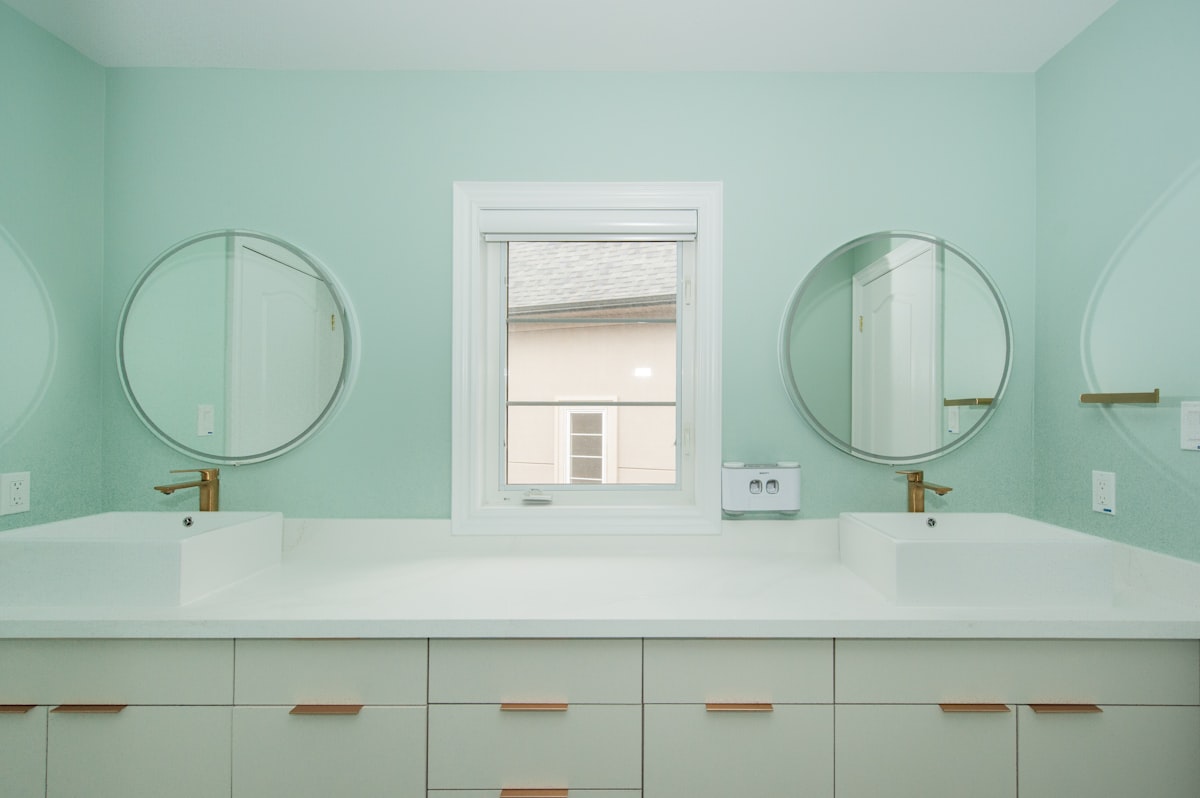
Illustrative stock photograph of bathroom basins; not a Telford customer job.

Pipe Repair

Pipes in domestic properties can develop faults in a number of ways: corrosion over time, physical damage from drilling or impact, freeze damage during cold spells, joint failures as fittings age, or stress fractures caused by ground movement or poor original installation. When a pipe fails, the result can range from a slow weep at a joint to a more significant failure that requires the water supply to be isolated immediately to prevent water damage spreading to the surrounding structure.

In Telford, a large proportion of homes built during the 1970s and 1980s new town development programme contain copper pipework that is now several decades old. As copper ages it can develop pinhole leaks caused by internal pitting, particularly in areas where water chemistry or flow turbulence accelerates corrosion.

Soldered joints and compression fittings can also fail with age, especially if they have been subject to movement or vibration. Older properties in Wellington, Oakengates and surrounding villages may also contain lead supply pipes on the section between the water main and the property boundary — a type of pipework that water companies actively encourage homeowners to have assessed and replaced.

If a pipe is actively leaking, isolating the water supply is the most important immediate step. The main stopcock — typically found under the kitchen sink or where the service pipe enters the building through the external wall — should be turned fully clockwise to shut off the mains supply.

This will stop most internal leaks, though a burst on the supply pipe between the external stop tap and the property stopcock requires the water company's external stop tap to be closed instead. A plumber assessing a pipe repair will identify the location and nature of the fault, determine the pipe material and diameter, and select the appropriate repair method.

A pinhole leak in a copper pipe may be repaired by cutting out the affected section and fitting a new coupler; a failed compression fitting may be replaced directly; a deteriorated run may be re-routed or replaced with a compatible material. Where a pipe runs within a wall or under a floor, some degree of opening-up will usually be necessary to access the damaged section.

Signs That a Pipe May Need Repair

⚠️

Visible water at a joint or along a pipe run

Water dripping or pooling around a compression fitting, solder joint or push-fit connector is a clear indicator of a failed or failing seal. Even a slow weep should be assessed promptly, as water escaping near structural timbers, insulation or electrical wiring can cause disproportionate secondary damage.

⚠️

Green or white deposits on copper pipework

Greenish deposits on the outside of copper pipes indicate corrosion at a joint or along the pipe wall, often caused by flux residue from original installation or long-term exposure to condensation. White limescale deposits at a joint may indicate a slow seep that has been present for some time. Both warrant closer assessment by a plumber.

⚠️

Reduced water pressure at a specific fixture

A noticeable drop in pressure at a particular tap or fixture — especially if other outlets in the property remain unaffected — can indicate a partial blockage, a collapsed section of pipe, or significant internal corrosion restricting flow. A plumber can assess the supply pipework to that fixture to identify the cause.

How a Pipe Repair Assessment Works

1

Locating and characterising the fault

A plumber will first identify where and how the pipe is failing — whether the fault is at a joint, in the body of the pipe, or at a connection to an appliance. The pipe material, diameter and whether it runs exposed or concealed within a wall or floor all affect the approach to the repair.

2

Isolating the affected section

Before any repair work begins, the water supply to the affected pipe is isolated — using an inline isolation valve if one is present and accessible, or the property stopcock if not. If the fault is on the supply pipe between the external stop tap and the property, the water company's external stop tap will need to be used.

3

Carrying out the repair and testing

Depending on the fault, the plumber may replace a short section of pipe, fit a new joint or coupler, replace a flexible hose connection, or re-route a deteriorated run entirely. The repaired section is then tested under normal water pressure to confirm the leak is resolved before any access panels or surfaces are made good.

FAQs About Pipe Repair

What is the difference between a compression fitting and a solder joint, and which is more likely to fail?
A compression fitting uses a mechanical grip — a brass olive compressed between a nut and fitting body — to create a seal, and can be installed and removed without heat. A solder joint is made by heating the pipe and fitting and introducing solder to form a permanent bond. Both can fail with age or if disturbed by movement, though compression fittings are more susceptible to gradual loosening caused by vibration or repeated thermal expansion.
My pipe makes a banging noise when taps are opened — is this a sign of a pipe fault?
A banging or hammering noise — sometimes called water hammer — is usually caused by pressure surges in the pipe when a tap or valve closes quickly. It is not itself a sign that a pipe is leaking, but repeated shock loading can stress joints and fittings over time. A plumber can assess whether pipe fixings, supply pressure or a check valve is contributing to the issue.
Can a small pinhole leak in a copper pipe be repaired without replacing the whole pipe run?
Yes. A localised pinhole can often be repaired by cutting out a short section of pipe and fitting a new length using compression or push-fit connectors. However, if pitting is widespread along a run of pipe, a plumber may advise replacing the whole section to avoid further pinholes appearing nearby in the near future.
My property has lead water pipes — do I need to replace them?
Lead supply pipes pose a potential health risk as lead can leach into drinking water, particularly in soft water areas. Severn Trent Water, which supplies Telford, has programmes that may contribute toward the cost of replacing the section of lead pipe from the boundary stop tap to the property. A plumber can assess whether lead pipework is present and advise on the replacement options available.
How should I limit water damage if a pipe fails before a plumber arrives?
Locate and turn off the main stopcock to stop water flowing through the affected pipe. This is commonly found under the kitchen sink, in a cupboard near the front entrance, or in an exterior meter box. Once the supply is off, open taps elsewhere to drain down the system and relieve pressure on the failed section. Place buckets or absorbent material under any active leak point and move items stored in the affected area to limit secondary damage. Contact a plumber as soon as the immediate situation is under control.
What signs suggest a pipe joint is failing rather than the pipe itself?
A drip or weeping at a specific joint, particularly at a compression fitting or an elbow, points to the joint rather than the pipe run as the source. A white mineral deposit or blue-green staining around a fitting often indicates that water has been escaping slowly over time. Movement of the pipe caused by vibration, thermal expansion or ground settlement can cause a previously sound joint to gradually fail, even where the pipe itself remains in good condition.

More Leak Detection & Pipe Repairs services

Leak DetectionStopcock ReplacementLeak Repair Costs

Other services in Telford

🔧 Emergency Plumber 🕳️ Blocked Drains & Drainage 🚰 Tap & Toilet Repairs 🌡️ Radiator & Central Heating 🚿 Bathroom Plumbing

Related guides

Signs of a hidden water leak in Telford

Plumbing Services Across Telford

Request a Free Quote

Tell us what you need and we'll get back to you with a no-obligation quote.

01952 000000 (placeholder - not in service)
Use the enquiry form; the telephone number is a placeholder.
Covering Telford and surrounding areas

Quick quote request

📞 Call Now 💬 Enquire