
Same day or next day service
£No hidden costs
Fully insured
365 day guarantee*
Nationwide
Telford

General Plumbing Repairs in Telford

General plumbing repairs cover the wide range of day-to-day faults that arise in domestic properties — from a dripping tap or a blocked sink trap to a leaking joint within a floor void or a failed stop valve.

Call us on 01952 000000 (placeholder - not in service)
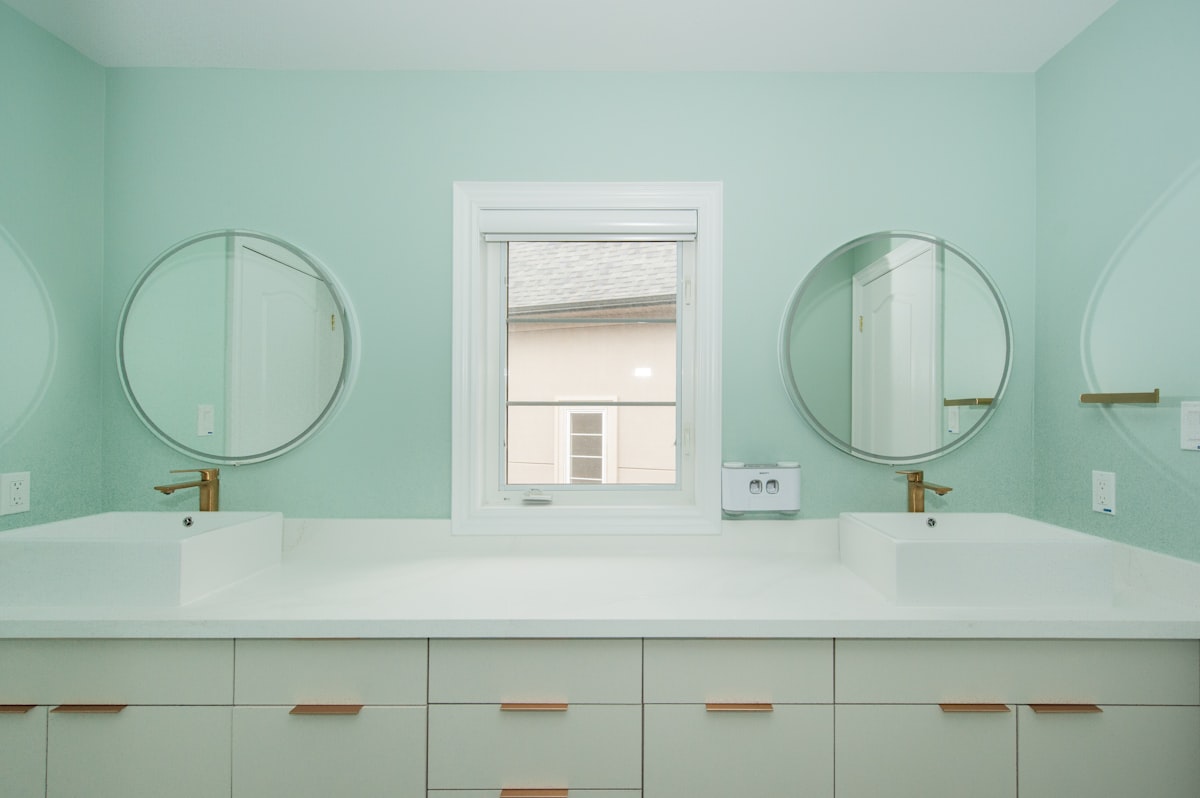
Illustrative stock photograph of bathroom basins; not a Telford customer job.

General Plumbing Repairs

General plumbing repairs cover the wide range of day-to-day faults that arise in domestic properties — from a dripping tap or a blocked sink trap to a leaking joint within a floor void or a failed stop valve. In Telford, as in many UK towns, older properties often have partially updated pipework: original lead or iron supply pipes that have been partly replaced with copper or plastic over the decades, creating mixed systems that can present challenges when tracing and repairing faults.

A plumber attending a general repair will typically begin by isolating the affected section of pipework, identifying the type of fitting or joint at fault, and assessing whether a targeted repair or a short section replacement is the more appropriate solution. Common jobs include repairing or replacing stop valves and isolation valves that have seized or begun to weep; fixing leaking compression or push-fit fittings at exposed connections; resolving airlocks in hot water systems that cause intermittent flow or no flow at certain outlets; clearing blocked traps beneath sinks, baths and showers; and repairing or replacing float valves in cold water storage tanks.

Knowing where the main internal stop tap is located — usually beneath the kitchen sink or just inside the property boundary — is important for managing any developing leak quickly. A secondary external stop tap is located beneath a pavement cover near the boundary and is controlled by the water company.

Specialist Services We Offer

Signs that a plumbing repair may be needed

⚠️

Water stains or damp patches on ceilings or walls

Brown or expanding damp patches on internal surfaces, particularly on ceilings, can indicate a slow leak from a pipe joint or waste connection in the floor void or wall cavity above. The stain's location does not always correspond directly to the leak source.

⚠️

Reduced water pressure at outlets

A noticeable drop in pressure at taps or showers — particularly if sudden and affecting multiple outlets — can point to a supply pipe fault, a partially closed stop valve, or an active leak diverting water elsewhere in the system.

⚠️

Visible corrosion around pipe fittings

Green verdigris on copper fittings or white mineral deposits around brass compression joints can indicate a weeping connection that has been losing small amounts of water over a prolonged period. These fittings should be checked and tightened or replaced.

⚠️

Unexplained increase in water usage

If a metered supply is running faster than expected or a meter reading increases with no obvious explanation, a concealed leak within the supply or distribution pipework may be the cause and a leak detection check may be worthwhile.

How a general plumbing repair is typically approached

1

Fault identification

The plumber traces the problem to its source, which may involve checking stop valves, inspecting accessible pipework, running flow tests at individual outlets, and looking for signs of dampness or corrosion at likely fault points.

2

Isolation

The relevant section of supply is shut off at the nearest isolation valve or stop tap. Where the fault is on a heating circuit, the system pressure may also be reduced before work begins.

3

Repair or section replacement

Depending on the nature of the fault, the plumber will re-make a joint, replace a section of pipe, swap out a faulty valve or component such as a valve seat, O-ring or float valve assembly.

4

Pressure test and reinstatement

Once the repair is complete, the supply is restored and the repaired section is monitored under normal working pressure to confirm there are no further weeping joints before the area is tidied and reinstated.

FAQs About General Plumbing Repairs

Where is my main stop tap likely to be?
In most UK properties the internal stop tap is located under the kitchen sink, often at the back of the cabinet where the supply pipe enters. There is also usually an external stop tap beneath a small square cover set into the pavement or driveway near the property boundary, though this one is operated by the water company.
What should I do if I notice a leak?
Turn off the water at the nearest isolation valve or the main stop tap as quickly as possible to limit the spread of water. Mop up any standing water and avoid switching electrical fittings on or off if water may have reached them. Once the water is isolated, contact a plumber to assess and repair the fault.
Can push-fit plastic pipe joints fail?
Push-fit fittings are reliable when properly installed and supported, but a slow drip can develop if the pipe was not fully inserted at the time of fitting, if the cut end is not square, or if the joint has been disturbed by subsequent movement. Visible push-fit connections in airing cupboards, under sinks or in service voids are worth checking periodically.
How do I describe a plumbing fault clearly when contacting a plumber?
Note the exact location of the fault and which fixture or fitting is involved. Describe whether water is actively leaking or the problem is intermittent, and indicate whether any neighbouring fittings or appliances are also affected. If you have been able to isolate the supply to the affected area, say so. Describing when you first noticed the problem and whether it has changed since then helps the plumber assess the likely cause and what tools or materials may be needed.
What plumbing faults are typically suitable for a general repair visit rather than specialist attendance?
A general plumbing repair visit is appropriate for faults such as dripping taps, leaking under-sink waste traps, dripping overflow pipes, failed isolation valves, slow-draining basins, and minor leaks at compression or push-fit joints. Work involving gas appliances or connections requires a Gas Safe registered engineer, and significant drainage blockages or concealed leak detection may benefit from specialist equipment. Describing the fault clearly when you call will allow the plumber to advise on what type of attendance is appropriate.
Can an outside tap be added to a property, and what does the work typically involve?
An outside tap is fed from the cold water supply, typically taken from a convenient point inside the property, and fitted with an internal isolating valve so the outdoor pipework can be shut off and drained during cold weather to reduce the risk of freezing. The position of existing supply pipework and the construction of the external wall will affect how straightforward the installation is. A plumber can assess the most practical route and advise on what the work involves for your specific property.

Plumbing Services Across Telford

Request a Free Quote

Tell us what you need and we'll get back to you with a no-obligation quote.

01952 000000 (placeholder - not in service)
Use the enquiry form; the telephone number is a placeholder.
Covering Telford and surrounding areas

Quick quote request

📞 Call Now 💬 Enquire