
Same day or next day service
£No hidden costs
Fully insured
365 day guarantee*
Nationwide
Telford

Toilet Installation in Telford

A toilet installation involves removing an existing unit safely, disconnecting the water supply and waste connection, and fitting a replacement to current standards.

Call us on 01952 000000 (placeholder - not in service)
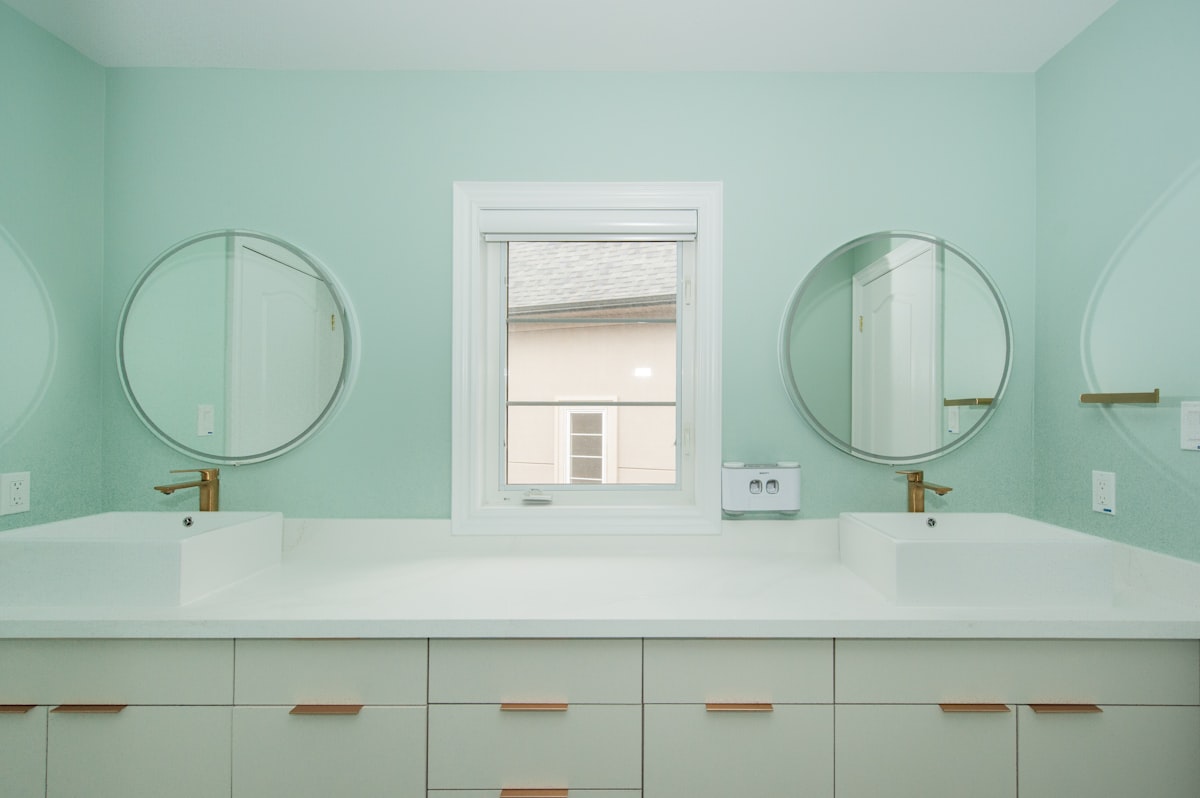
Illustrative stock photograph of bathroom basins; not a Telford customer job.

Toilet Installation

A toilet installation involves removing an existing unit safely, disconnecting the water supply and waste connection, and fitting a replacement to current standards. Before any removal work begins, a plumber will assess the existing soil pipe diameter, the condition of the floor around the pan, the stop valve position, and whether any re-routing of the waste outlet is required.

Telford's housing includes a wide range of property types. Older terraced homes in areas such as Madeley and Dawley tend to have different soil pipe layouts and floor construction compared to newer builds across Telford town centre or villages within the Wrekin.

These differences affect both the choice of toilet and the approach to fitting. Toilets are available in several configurations.

Close-coupled units, where the cistern sits directly on top of the pan, are the most common and suit a wide range of bathroom layouts. Back-to-wall toilets conceal most pipework behind a fitted furniture unit, while wall-hung toilets are suspended from a concealed frame within the wall and are often chosen in modern or refurbished bathrooms where floor clearance is preferred for ease of cleaning.

Each type has distinct requirements for waste routing, floor or wall fixings, and water supply connection. Householders can prepare by clearing access to the bathroom, noting any previous damp patches near the base of the existing toilet or around the cistern connection, and confirming where the toilet's water supply stop valve is located.

If you are unsure how to operate the stop valve, inform the plumber on arrival so they can isolate the supply safely before work begins.

Signs a toilet may need replacing or professional assessment

⚠️

Persistent running water in the cistern

If water continues trickling into the pan after a flush has completed, the flush valve or float mechanism is likely worn. This constant flow indicates the cistern is not holding water correctly between uses and the unit may be approaching the end of its serviceable life.

⚠️

Cracks or visible damage to the pan or cistern

Hairline cracks in ceramic can allow water to seep slowly onto the floor, causing damp and potential damage to floor finishes and subfloor timbers over time. A plumber can assess whether a crack is superficial or whether it affects the structural integrity of the unit and necessitates full replacement.

⚠️

Movement or instability at the base

A toilet pan that rocks or shifts when sat on may have corroded floor fixings or a degraded seal at the soil pipe connection. This can allow waste gases or water to escape at the joint and warrants prompt assessment to prevent further damage to the floor and subfloor.

How a toilet installation proceeds

1

Initial assessment

The plumber checks the soil pipe connection, the condition of the existing pan connector, the floor type and stop valve position. They confirm the dimensions of the space and the compatibility of the intended replacement unit before any removal work begins.

2

Removal of the existing unit

The water supply is isolated and the cistern drained before the supply pipe is disconnected. The pan is unbolted from the floor and the soil pipe pan connector inspected and cleaned in preparation for the new unit.

3

Fitting and testing the new toilet

The replacement unit is positioned and secured, the pan connector fitted or adjusted as required, and the cistern connected to the water supply. The plumber checks all joints for leaks, tests the flush mechanism, and confirms the pan is stable before the installation is considered complete.

FAQs About Toilet Installation

What types of toilet can be installed in a standard UK bathroom?
The main types are close-coupled, back-to-wall and wall-hung toilets. Close-coupled units suit most standard bathroom layouts. Back-to-wall and wall-hung options are suited to modern or refurbished bathrooms where concealing pipework behind fitted furniture or a wall frame is a priority. A plumber will assess which types are compatible with your existing waste connection and floor or wall construction before recommending an approach.
Will the existing pipework need to be altered when fitting a new toilet?
It depends on the toilet type chosen and the position of the existing soil pipe connection. In many cases the existing pan connector and supply pipework can be reused or adapted directly. In others, a new pan connector, a different connection angle or an adjustment to the stop valve position is needed. A plumber will confirm this during the initial assessment before any work is carried out.
How can I prepare for a toilet installation appointment?
Clear the bathroom of personal items and make sure the plumber can access the water supply stop valve for the toilet. Note the location of any previous damp patches or staining around the base or cistern connection of the existing toilet, as this may indicate a seal or joint fault worth inspecting during the installation.
What additional checks are carried out when fitting a toilet in an older property?
In older properties, the engineer will check the soil pipe diameter, as some earlier systems use non-standard sizes that limit the choice of pan connector or require an adaptor fitting. The condition of the floor around the existing pan is also inspected, as persistent leaking from a worn seal can cause rot in timber floors beneath. The position and condition of the supply stop valve is confirmed before any removal work begins.
Can a wall-hung toilet be fitted to any bathroom wall?
Wall-hung toilets are supported by a concealed steel frame that transfers the load into the wall structure behind the finished surface. The wall must be capable of accepting the frame fixings securely. A plumber will assess the wall construction before specifying the appropriate frame, as solid blockwork and timber-framed walls require different fixing approaches, and some partition walls may need reinforcement before the frame can be correctly installed.
What causes a newly installed toilet to rock or feel unstable at the base?
A toilet that rocks after installation is usually the result of an uneven floor surface, a pan connector that is not supporting the pan at the correct height, or floor fixing bolts that were not fully tightened. Persistent movement can stress the pan connector joint and the seal at the floor connection, eventually causing a slow leak. If you notice this after an installation, it should be reported promptly so that it can be inspected and corrected.

More Bathroom Plumbing services

Shower InstallationBath Installation

Other services in Telford

🔧 Emergency Plumber 🕳️ Blocked Drains & Drainage 🚰 Tap & Toilet Repairs 💧 Leak Detection & Pipe Repairs 🌡️ Radiator & Central Heating

Plumbing Services Across Telford

Request a Free Quote

Tell us what you need and we'll get back to you with a no-obligation quote.

01952 000000 (placeholder - not in service)
Use the enquiry form; the telephone number is a placeholder.
Covering Telford and surrounding areas

Quick quote request

📞 Call Now 💬 Enquire